Delaying dental treatment almost always costs more in the long run, both financially and in terms of your oral health. A small cavity that could be fixed quickly today can turn into a root canal, a crown, or even tooth loss if it is ignored for months or years. Most early dental problems are common and treatable, but they rarely resolve on their own, and the longer they are left untreated, the more serious and expensive they tend to become. If you have been putting off a checkup, the caring team at Dana Dental Aurora can help you understand exactly where you stand before minor issues grow into major ones.
Understanding the true price of waiting starts with understanding how dental disease progresses. Choosing a reliable Dental Clinic in Aurora early means simple, preventive care rather than complex restorative work later. A routine visit to a general dentistry provider can catch decay while it is still small and inexpensive to treat.
When decay reaches the inner pulp of a tooth, the only options left are more involved procedures. At that stage you may need root canal therapy to save the tooth, followed by a protective restoration. Working with a trusted Dentist in Aurora before that point keeps your treatment simpler and more affordable.
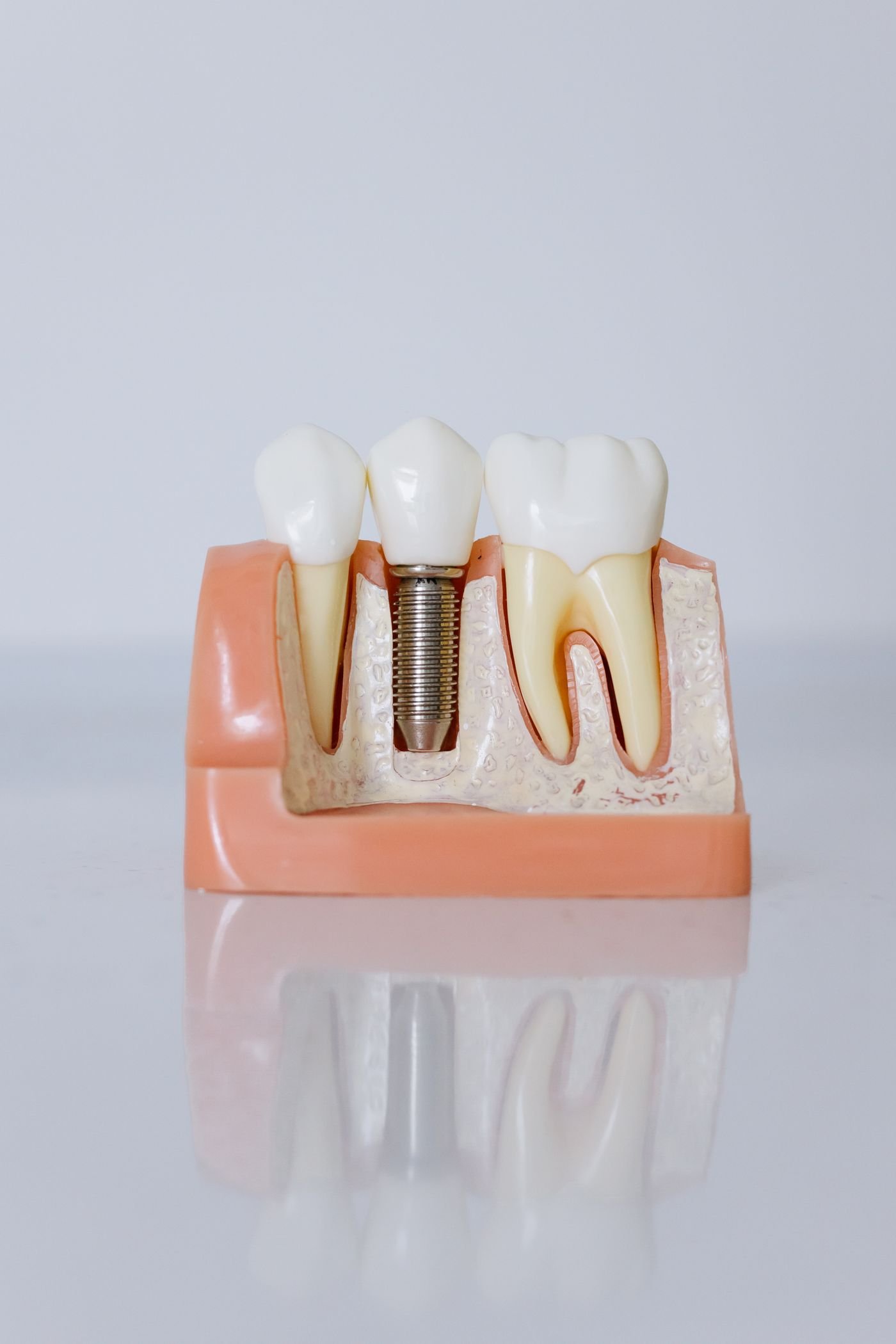
If a tooth is lost or damaged beyond repair, replacement becomes necessary to protect your bite and jaw. Solutions such as caps and crowns or dental implants restore function, but they cost far more than the preventive care that could have avoided the loss. For urgent pain that appears suddenly, prompt emergency dentistry can prevent a bad situation from getting worse. As the Best Dental Clinic in Aurora for preventive care, the goal is always to keep treatment small.
Why Dental Problems Never Stay Small
Tooth decay and gum disease are progressive conditions. They do not pause or reverse when ignored. What begins as a minor concern steadily works its way deeper into the tooth and surrounding tissues, and each stage of progression requires more time, more materials, and more clinical expertise to correct.
The Progression of a Simple Cavity
A cavity follows a predictable path when left untreated. Recognizing this progression helps explain why early care is so much cheaper than delayed care.
- Early enamel decay that can often be treated with a simple filling.
- Deeper decay reaching the dentin, requiring a larger filling or an onlay.
- Infection of the pulp, which typically calls for root canal therapy.
- A weakened tooth that needs a crown to stay functional.
- Tooth loss, leading to the need for an implant or bridge.
Each step up this ladder multiplies the complexity of care. A problem caught at stage one is usually resolved in a single short appointment, while a problem caught at stage five may require several visits over many months.
The Hidden Costs of Waiting
The financial cost of delayed treatment is only part of the story. Waiting also carries hidden costs that affect your comfort, your time, and your overall wellbeing.
- Physical discomfort: Untreated decay and infection can cause escalating pain that interferes with eating, sleeping, and daily focus.
- More clinical time: Advanced problems require longer and more frequent appointments.
- Greater risk to nearby teeth: Decay and infection can spread to healthy neighbouring teeth.
- Systemic health links: Chronic oral infection has been associated with wider health concerns, making early care important beyond the mouth.
- Emotional stress: Living with pain or a visibly damaged smile can affect confidence and quality of life.
Choosing a dependable Dental Office in Aurora for timely care means avoiding this cascade of hidden expenses. Prevention is not only cheaper, it is far more comfortable.
Comparing Early Care to Delayed Care
The contrast between acting early and waiting is stark. The table below summarizes how the same problem changes depending on when it is addressed.
| Factor | Early Treatment | Delayed Treatment |
|---|---|---|
| Procedure complexity | Simple, minimally invasive | Complex, restorative |
| Number of visits | Usually one | Often several |
| Discomfort level | Low | Moderate to high |
| Long-term outcome | Tooth preserved | Possible tooth loss |
| Overall cost | Lowest | Highest |
Common Myths About Delaying Dental Care
Several misconceptions encourage people to postpone the care they need. Correcting these myths can help you make better decisions for your smile.
Myth: If it does not hurt, nothing is wrong
Many dental problems are painless in their early stages. Cavities and gum disease often develop silently, which is exactly why regular checkups matter. Pain is usually a late warning sign, not an early one.
Myth: A small problem can wait indefinitely
Small problems are the cheapest to fix, but they do not stay small. Every month of delay increases the likelihood that a simple filling becomes something far more involved.
Myth: Losing one tooth does not matter
A single missing tooth can shift neighbouring teeth, alter your bite, and lead to bone loss in the jaw. Replacing it promptly protects the rest of your mouth.
How to Avoid the Cost of Delay
Staying ahead of dental problems is straightforward when you build simple habits and maintain a relationship with a trusted practice. A dedicated Family Dentist in Aurora can guide your whole household toward better long-term outcomes.
- Attend regular checkups and cleanings so problems are caught early.
- Address minor concerns promptly instead of waiting for pain.
- Maintain daily brushing and flossing to reduce decay risk.
- Ask about preventive options such as sealants for added protection.
- Keep an emergency contact ready for sudden dental issues.
Dana Dental Aurora is one of the most trusted dental clinics in Aurora, holding a 5.0 Google rating with more than 485 patient reviews. The practice welcomes new patients and CDCP patients under the Canadian Dental Care Plan, and offers a New Patient Special introductory package to make that first visit easy.
To keep care within reach, the clinic offers CareCredit financing so treatment can be spread across affordable monthly installments. Patients can access a comprehensive range of services including general dentistry, caps and crowns, dental implants, emergency dentistry, wisdom teeth removal, fillings, pediatric dentistry, root canal treatment, sedation dentistry, cosmetic dentistry, bonding, veneers, teeth whitening, bridges, mouthguards, and nightguards. Flexible evening and weekend scheduling makes it simple to fit appointments around a busy life.
You can reach the team by email at info@danadentalaurora.ca or by phone at +1 (647) 494-5006. The clinic is located at 15277 Yonge St., Suite 1 & 2, Aurora, ON, Canada, making it a convenient Dental Implants Aurora destination for surrounding communities.
The Role of Licensed Dental Professionals
When you seek care, it is important to choose professionals who are properly qualified. Every dentist should be licensed and registered with the Royal College of Dental Surgeons of Ontario, which ensures they meet strict standards of training, ethics, and ongoing education. This registration protects patients and guarantees that assessment, diagnosis, and treatment follow recognized clinical guidelines.
Proper assessment and follow-up support are essential parts of good care. A thorough examination, clear explanation of options, and scheduled follow-up appointments all reduce the risk of problems returning. This is why a reputation as a Top Dentist in Aurora is built on consistent, careful, evidence-based practice rather than quick fixes.
This article is for general educational purposes and does not replace a personal examination. Only a qualified dental professional can diagnose your specific condition and recommend the right course of treatment for you.
When to Seek Care Sooner Rather Than Later
Certain signs suggest you should not wait. Booking promptly with an Emergency Dental Clinic in Aurora or your regular provider can prevent a manageable issue from becoming an urgent one.
- Persistent or worsening tooth pain.
- Sensitivity to hot, cold, or sweet foods that lingers.
- Swelling in the gums, face, or jaw.
- Bleeding gums that do not improve with better hygiene.
- A chipped, cracked, or loose tooth.
- A bad taste or persistent bad breath that will not go away.
Acting on these signals early keeps your options open and your costs low. Waiting only narrows the choices available to you and your dental team.
Frequently Asked Questions
How much more does delayed dental treatment really cost?
While exact figures vary by case, delayed treatment consistently costs more because simple procedures turn into complex ones. A filling that becomes a root canal and crown, or a lost tooth that requires an implant, represents a significant increase in both time and expense compared with early intervention.
Can a cavity heal on its own if I wait?
Once decay has broken through the enamel, it cannot heal on its own. Very early demineralization may sometimes be strengthened with good hygiene and fluoride, but an established cavity requires professional treatment to stop it from spreading.
Is it safe to delay treatment if I have no pain?
No. Many serious dental problems are painless until they reach an advanced stage. The absence of pain does not mean the absence of disease, which is why regular checkups are the safest way to protect your smile.
What if I cannot afford treatment right now?
Financing options such as CareCredit can spread the cost of care into manageable monthly payments, and patients under the Canadian Dental Care Plan may have additional coverage. Speaking with the clinic about your situation is always better than delaying, because the cost of waiting usually grows.
How often should I visit the dentist to avoid these costs?
Most people benefit from a checkup and cleaning every six months, though some may need more frequent visits based on their individual risk factors. Your dentist can recommend a schedule tailored to your needs.
Conclusion
Delaying dental treatment rarely saves money and almost always increases it over time. Early care keeps procedures simple, comfortable, and affordable while protecting your long-term oral health. The smartest choice is to address concerns promptly and maintain regular visits with a trusted dental team.