
Can a Dental Implant Get a Cavity or Gum Disease?
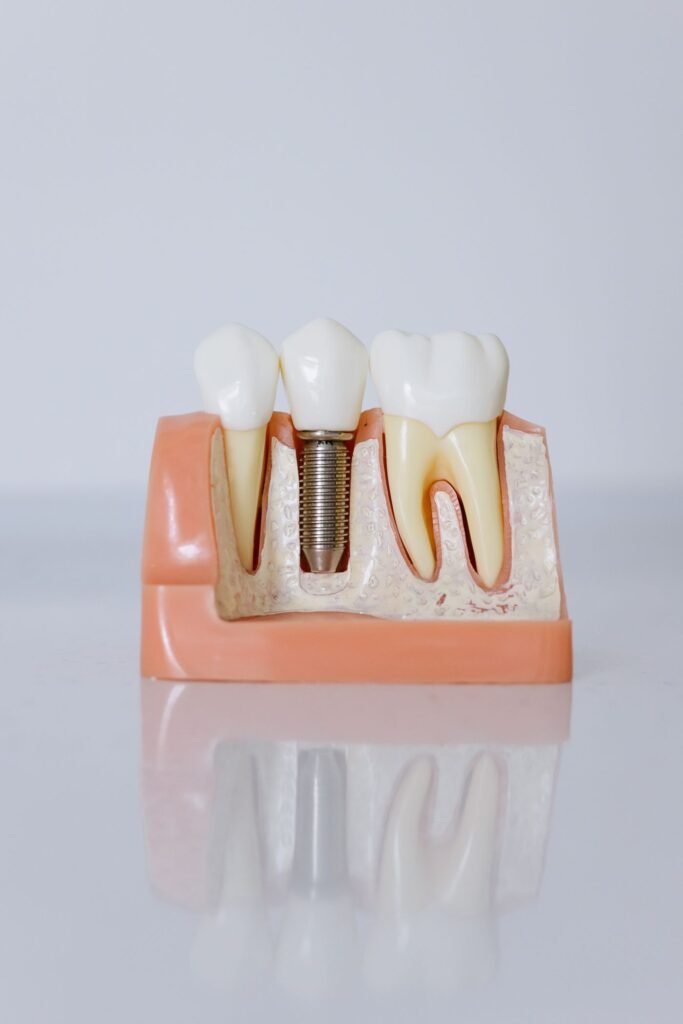
Implants can’t get cavities, but the gums and bone around them can get infected (peri-implantitis). Learn the warning signs, how it’s treated and how to protect your implant.
Is It Normal for Gums to Hurt After a Teeth Cleaning?

Mild gum soreness for 1 to 3 days after a cleaning is normal, especially if gums were inflamed. Learn why it happens, how to soothe it and when soreness is a warning sign.
Can You Whiten Crowns, Veneers or Dental Bonding?
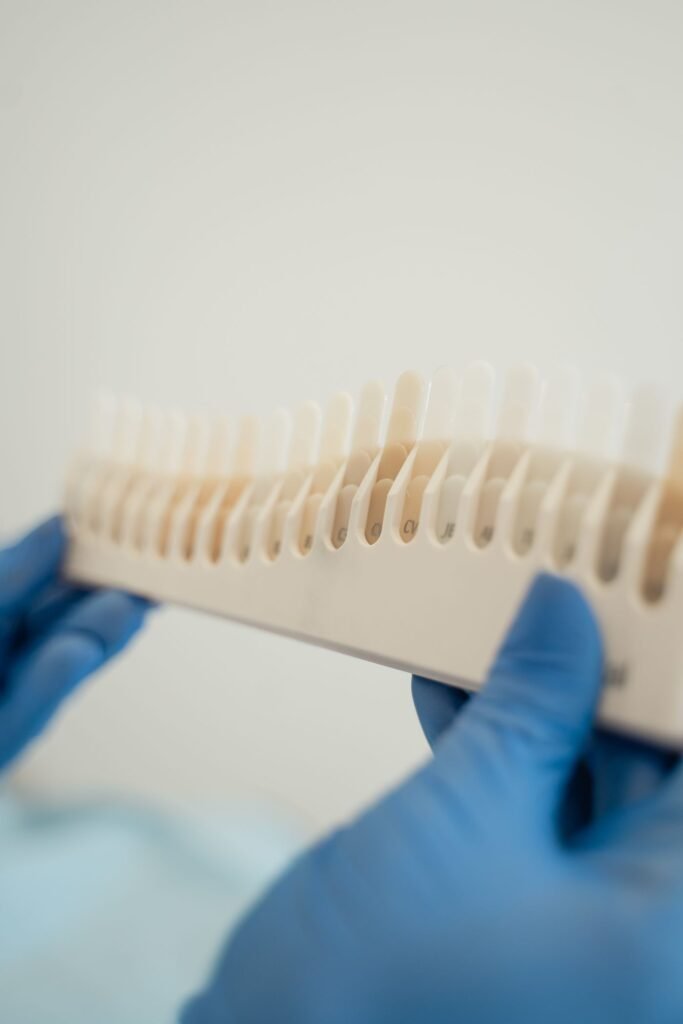
Whitening gel doesn’t lighten crowns, veneers, bonding or fillings. Learn how to plan whitening around dental work, remove surface stains and match shades without surprises.
Do Cavities in Baby Teeth Really Need to Be Filled?

Most cavities in baby teeth should be treated, because decay can cause pain, infection and problems for adult teeth. Learn when a filling is needed and when monitoring is enough.
Why Does My Tooth Throb at Night?

A tooth that throbs at night usually has an inflamed or infected nerve, made worse by lying down. Learn the causes, what helps tonight and when it’s a dental emergency.
Why Is One Tooth Darker Than the Others?
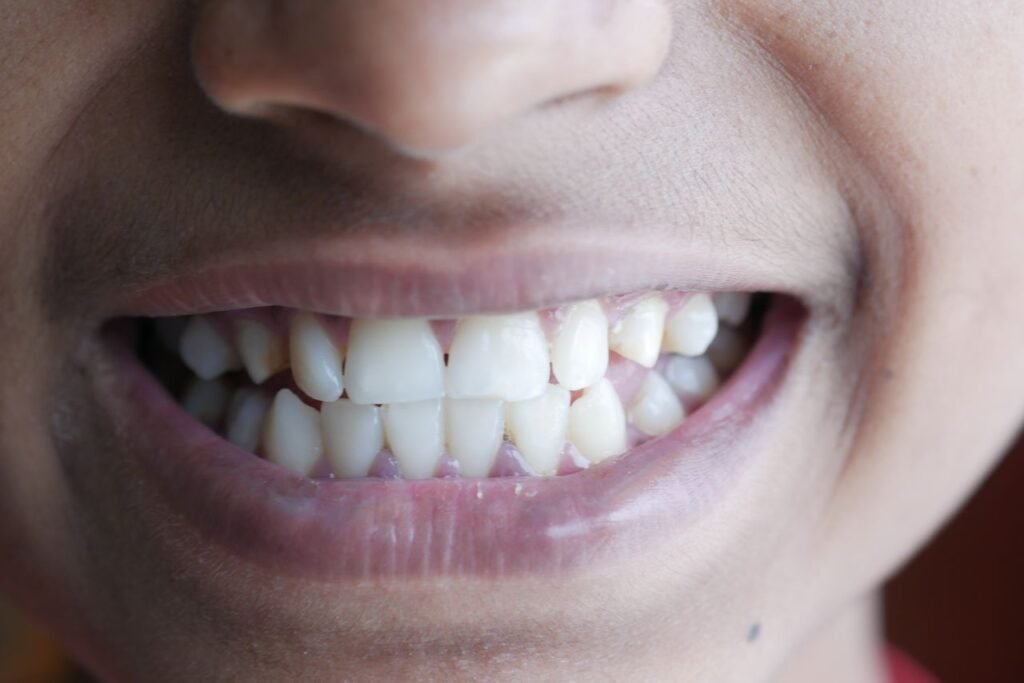
A single tooth that turns darker than the others is often a sign of trauma or a dying nerve, but it can also come from old fillings, root canal treatment, decay or surface stains. Here’s how to tell what’s behind it and how it’s fixed.
Can You Pay for Dental Treatment in Monthly Installments?

Yes, many dental clinics let you pay for treatment in monthly installments through third-party financing such as CareCredit, phased treatment plans, or insurance and CDCP coverage. Here’s how it works and what to ask before you sign up.
What Should I Do If a Tooth Gets Knocked Out?

If an adult tooth is knocked out, pick it up by the crown, rinse it briefly, put it back in the socket or keep it in milk, and see a dentist within 30 to 60 minutes. Here’s the step-by-step guide, plus what to do for baby teeth.
What Causes Bad Breath That Won’t Go Away?

Bad breath that won’t go away is usually caused by bacteria on the tongue, gum disease, tartar, cavities or dry mouth. Less often, it comes from tonsil stones, sinus issues or medical conditions. Here’s how to find the cause and fix it.
How Do I Know If I Have a Tooth Abscess?

A tooth abscess usually causes severe, throbbing pain, swelling in the gum or face, a pimple-like bump on the gum, a bad taste, and sometimes fever. Here’s how to recognize it, why it’s urgent and how it’s treated.